Quick quiz: British Columbia rebates
A few questions from the programs we track. Tap an answer to see why.
Solar + Battery vs Heat Pump Only: Which First in BC?
A heat pump cuts your biggest energy use. Solar and a battery add backup power and some bill savings. Here's how to decide which comes first for your home.
For most BC homes, seal and insulate first, then a heat pump, then solar and a battery. Heating is usually the biggest energy use, and a heat pump cuts it directly. Put solar and a battery first only if outage backup matters most to you, or your heating is already efficient.
Canada’s new heat pump rebate is worth up to $10,000. Get an email the day it opens
Applications are not open yet. Ottawa says they open in early 2027, and that you can add this rebate on top of provincial ones.
- Up to $10,000
- if your household earns below the median income
- $2,000
- for other homeowners who qualify
Stack it with the British Columbia rebate open today
Ottawa says you can combine them. Each program has its own rules. Amounts are the most you can get.
Applications open early 2027
Join the launch alert
- Launch-day email, with what to do first
- Who qualifies for the $10,000, once Ottawa says
- A short hello now, so you know it worked
Know someone with old heating? Send them this.
Only emails about this rebate. No spam, no sales calls. Unsubscribe anytime.
Read everything we know so far Official page: canada.ca
The rebates, checked September 26, 2026
- Heat pump (BC Hydro): up to $4,000 whole-home or $1,500 partial, only when replacing electric heat, HPCN contractor. Bonus up to $1,000 for installs done Aug 1 to Oct 31, 2026.
- Heat pump (CleanBC, income-qualified): up to $13,000 / $7,000 / $3,500 by income level for switching from gas, oil or propane.
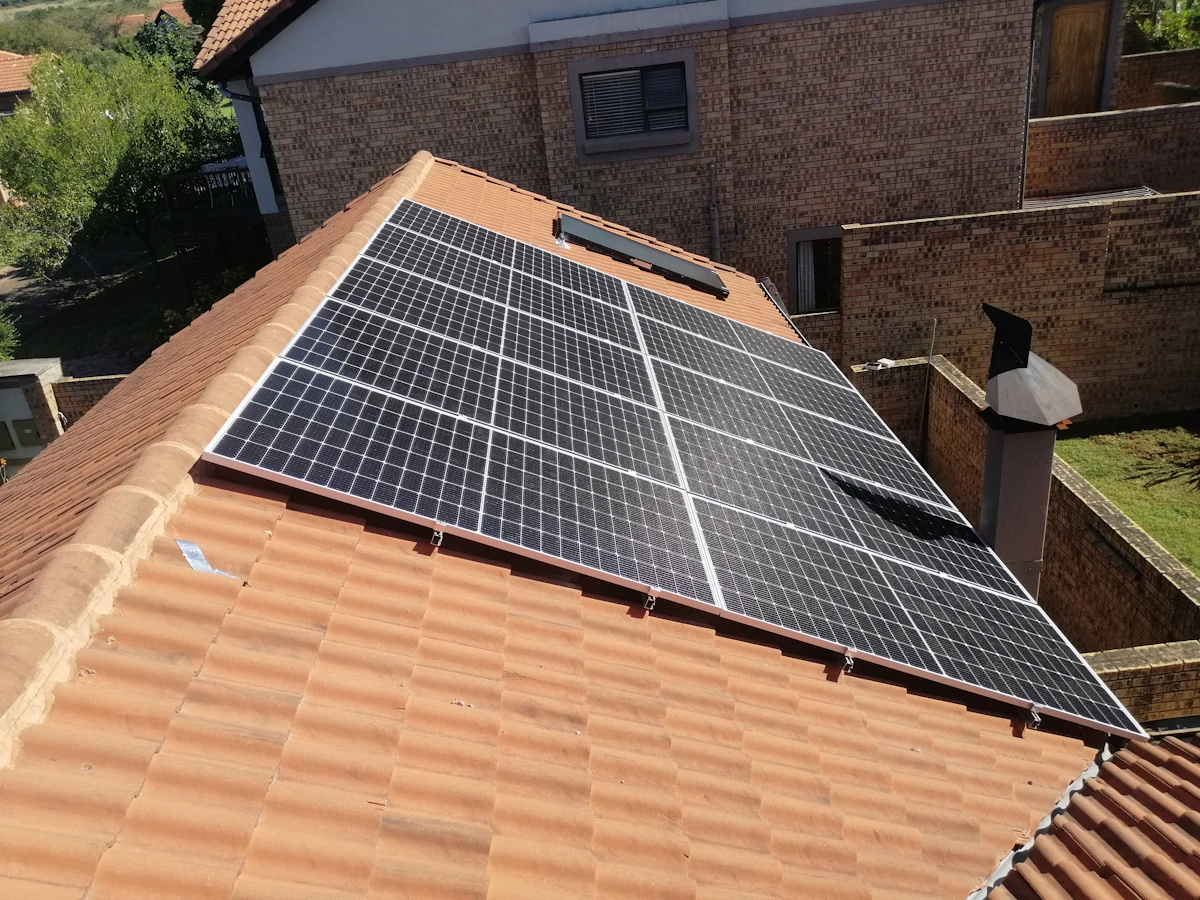
- Solar (BC Hydro): $1,000 per kW, max 50% of cost, up to $5,000.
- Battery (BC Hydro): $500 per kWh, max 50% of cost, up to $1,500, or $5,000 if enrolled in Peak Saver. Peak Saver also pays up to $500 at sign-up and $250 per winter for a battery.
Why a heat pump usually comes first
Heating is the biggest energy use in most BC homes. A heat pump moves heat instead of making it, so it cuts that use directly, and it gives you cooling too. Solar makes the least power in winter, when you need heat most. A battery saves little money on its own under BC Hydro's rates; its main value is backup power and Peak Saver credits.
When solar + battery should come first
- You get frequent outages and need backup power (rural areas, long driveways, home medical equipment, working from home).
- Your heating is already efficient, or you already have a heat pump.
- You have a sunny, unshaded roof and plan to stay in the home a long time.
Skip Tesla if you want the rebate
BC Hydro's battery list says Tesla products have not been eligible for its rebates since March 12, 2025. A Powerwall 3 can still earn Peak Saver rewards. Check any battery on BC Hydro's qualified battery list.
A sensible order
- Air sealing and insulation, which shrinks the heat pump you need
- Heat pump, sized with a heat-loss calculation
- Solar, if your roof and budget suit it
- Battery, if backup power matters to you
Get quotes, then compare each upgrade's cost after rebates to what it saves on your own bills. That tells you the right order for your home better than any rule of thumb.
FAQ
Should I get a heat pump or solar first in BC?
For most homes, air sealing, insulation and a heat pump come first, because heating is usually the biggest energy use. Solar and a battery come later, or first if outage backup matters most to you. Your own bills and quotes decide it.
What rebates are there for solar and batteries in BC?
BC Hydro pays $1,000 per kW of solar (up to $5,000, max 50% of cost) and $500 per kWh of battery (up to $1,500, or $5,000 if enrolled in Peak Saver). Tesla products are not eligible for BC Hydro rebates.
Can I claim heat pump and solar rebates on the same home?
Yes. They're separate programs with separate rules. The BC Hydro heat pump rebate (up to $4,000) is only for homes replacing electric heat. Gas-heated, income-qualified homes may qualify for CleanBC's Energy Savings Program instead.
Sources, checked September 26, 2026: BC Hydro solar and battery rebates · BC Hydro heat pump rebates · Better Homes BC Energy Savings Program · BC Hydro Peak Saver rewards
Heat pump brand comparison — which actually wins in BC climates
Utility rebate breakdown — stack both for maximum money back
Costs and payback timelines based on 2026 BC rebate rates, average system installations in BC, and utility rates. Your actual costs vary by home size, roof, ductwork, and location. All calculations assume middle-income household CleanBC rebate tier.