Quick quiz: Massachusetts rebates
A few questions from the programs we track. Tap an answer to see why.
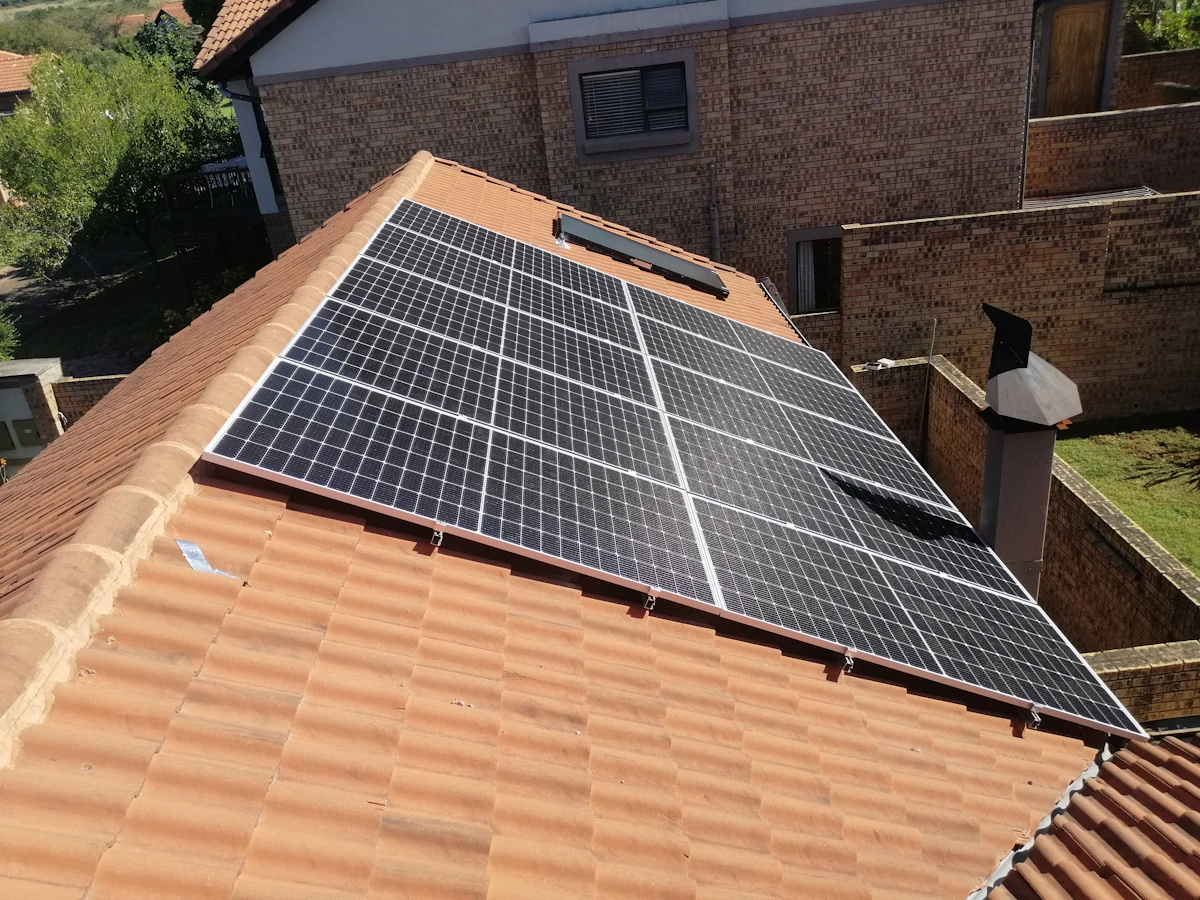
Heat pump vs solar in Massachusetts: side by side
| Heat pump | Solar | |
|---|---|---|
| Upfront help | Mass Save: up to $8,500 whole-home ($16,000 or no cost if income-qualified) | State tax credit: 15% of cost, max $1,000 |
| Ongoing help | Seasonal heat pump electric rate from your utility | SMART 3.0: $0.03/kWh for home systems ($0.06 low-income) |
| Example cost (state sources) | Mass Save: $22,000 whole-home install, $13,500 after rebate | MassCEC: about $25,000 for an 8 kW system, about $24,000 after tax credit |
| 0% financing | HEAT Loan up to $25,000 | Not HEAT Loan eligible; Energy Saver Home Loan for income-qualified |
| Federal credit | Ended Dec 31, 2025 (25C) | Ended Dec 31, 2025 (25D) |
Why the heat pump usually goes first
Bigger rebate. The Mass Save heat pump rebate is many times larger than any upfront help for solar.
Bigger bill cut for oil, propane and baseboard homes. Those are the priciest ways to heat. A cold-climate heat pump moves heat instead of making it, so it uses much less energy.
It sizes your solar. A heat pump raises your electric use in winter. If you install solar first, you may size it too small.
When solar might make sense first
- You already heat with a newer, efficient system and have high electric bills.
- Your roof needs replacing soon anyway and faces south with little shade.
- You're in Boston and qualify for the city's Solar Loan Pilot (0%, up to $25,000, forgivable, for income-qualified owner-occupants).
How long does each take to pay back?
It depends on what you heat with, your home, your electric rate and your roof. We don't publish one payback number, because a made-up average can steer you wrong. Get two or three quotes. Ask each installer to show savings using your own bills.
What to do next
- Book a no-cost Mass Save Home Energy Assessment and seal and insulate first.
- Get heat pump quotes from Heat Pump Installer Network contractors.
- After a winter on the heat pump, size solar to your new electric use.
See your city's rebates and compare top-rated local installers, ranked by Google reviews. It's free for homeowners. Start with Boston heat pumps, Worcester solar or Springfield heat pumps.
Common questions
Should I get a heat pump or solar first in Massachusetts?
If you heat with oil, propane or electric baseboard, usually the heat pump. It has a much bigger upfront Mass Save rebate, and it tells you how big your solar system needs to be.
Is there a solar rebate in Massachusetts?
No upfront Mass Save rebate. Solar earns SMART 3.0 payments ($0.03/kWh for home systems in 2026, $0.06 low-income) and a state tax credit of 15% of cost, up to $1,000.
Is the federal solar tax credit still available?
No. The federal 25D credit ended for systems placed in service after December 31, 2025.
Sources, checked September 26, 2026: Mass Save air-source heat pumps · MassCEC solar · SMART 3.0 rates · IRS 25C
Related: Heat pumps in a Massachusetts winter · Massachusetts water heater guide